

Baby sleep doesn’t need fixing. It needs understanding.
Evidence-based baby sleep support – responsive, realistic and without cry-it-out.
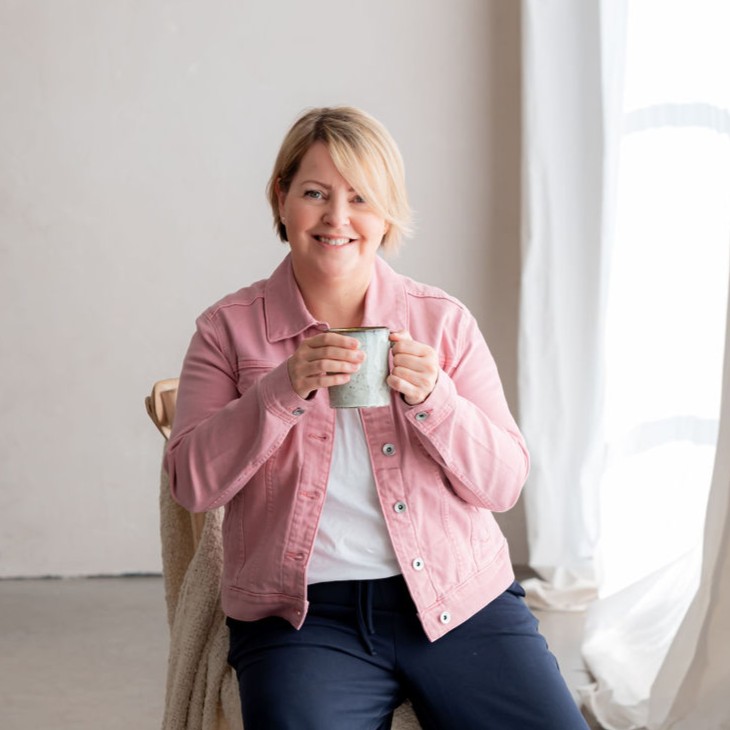
I’m Alexandra (Szandi) Kalmár, a baby sleep consultant, educator and author. For nearly two decades, I have been helping families understand their babies’ sleep and find solutions that work in real life — without leaving babies to cry, rigid schedules or one-size-fits-all methods.
There is no single right way for a baby to sleep.
Some babies sleep for long stretches. Others wake often. Some love their cot; others sleep best close to you. Some feed to sleep for months or years. Some nap predictably, while others seem to rewrite the rules every week.
There is enormous variation in normal infant and toddler sleep.
Yet parents are surrounded by messages about what their baby should be doing – sleeping through, self-soothing, dropping feeds, following wake windows or learning to fall asleep independently. When your baby doesn’t fit those expectations, it is very easy to start wondering whether something has gone wrong.
If sleep is difficult at the moment, that doesn’t necessarily mean there is something wrong with your baby or that you have done something wrong. I usually start by looking at what is actually happening: your baby’s development and individual sleep needs, feeding, daily rhythms, sensory needs, your family circumstances — and how you are doing in all of this.
Sometimes small changes can make a surprisingly big difference. Sometimes what helps most is discovering that something you were worried about is completely normal. Understanding what is normal doesn’t mean that you simply have to put up with being exhausted. Your sleep matters too. We can respect your baby’s needs and still look for realistic ways to make nights, naps or settling easier for your family. Either way, you deserve information you can trust.
You may have been told…
- Don’t feed your baby to sleep.
- Put them down drowsy but awake.
- Don’t respond too quickly or they’ll never learn to self-soothe.
- Your baby has developed bad sleep associations.
- They wake because you’ve created a habit.
- They should be sleeping through the night by now.
Baby sleep is much more individual than these rules suggest. I help you understand the biology, development and individual differences behind your baby’s sleep, and then look at what might make life easier for your particular family. I don’t use cry-it-out, and I won’t promise that every baby can or should sleep in the same way. We start from where you and your baby actually are, and work from there.
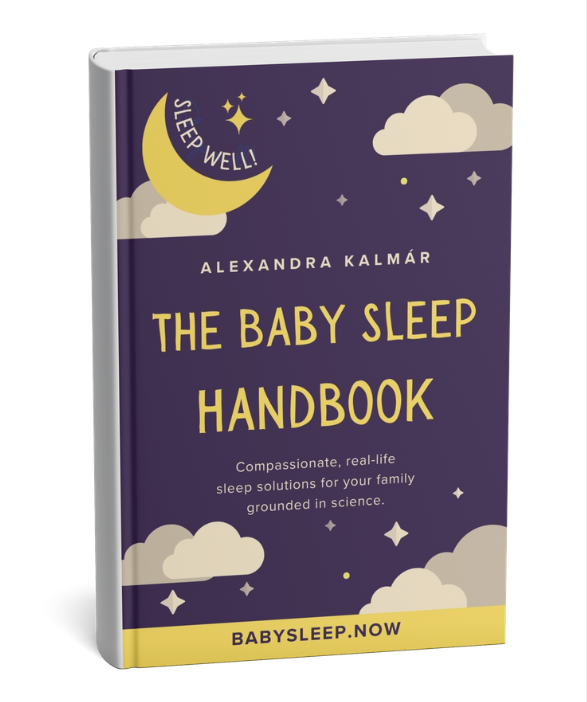
The Baby Sleep Handbook
Real Science. Real Life. Zero Cry-It-Out.
What does normal baby sleep actually look like?
Why does one baby wake twice while another wakes eight times?
Is feeding to sleep really a problem?
Do babies need to learn to self-soothe?
What about naps, wake windows, sleep associations, contact naps, bedsharing, night feeds – and sleep training?
The Baby Sleep Handbook brings together research, nearly two decades of work with families and the reality of life with babies and toddlers. It is not a programme for teaching your baby how to sleep. It is a guide to understanding sleep from birth to three years — so that you can make informed decisions for your own child and your own family.
Coming soon in English.
Nearly two decades of working with families
I came to baby sleep through motherhood first, and later through breastfeeding support, babywearing and years of working with families. Perhaps that is why I have never been able to look at sleep as something separate from the rest of family life. How your baby feeds, how much closeness they need, what their days look like, how tired you are and what is realistically possible in your family all matter. I want to understand the whole picture before deciding with you whether anything needs to change.
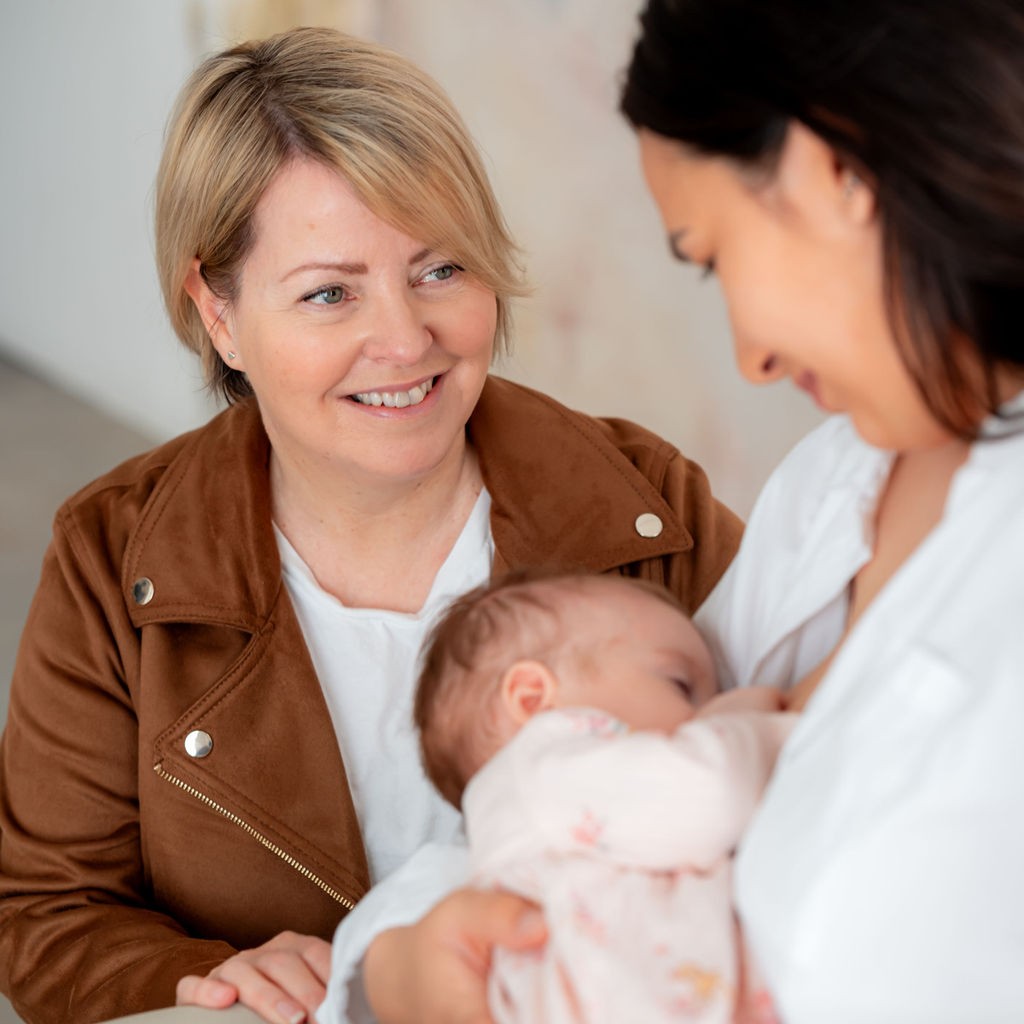
Baby Sleep Consultant & Educator
Helping families understand their babies’ sleep and find realistic ways forward through individual support, education and evidence-based guidance.
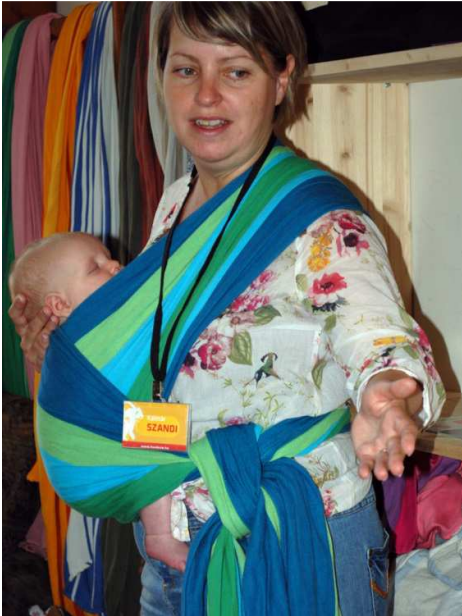
Babywearing Consultant
Babywearing has been part of my work with families for many years, and it still shapes the way I think about closeness, movement, settling and sleep.
Compassionate Inquiry
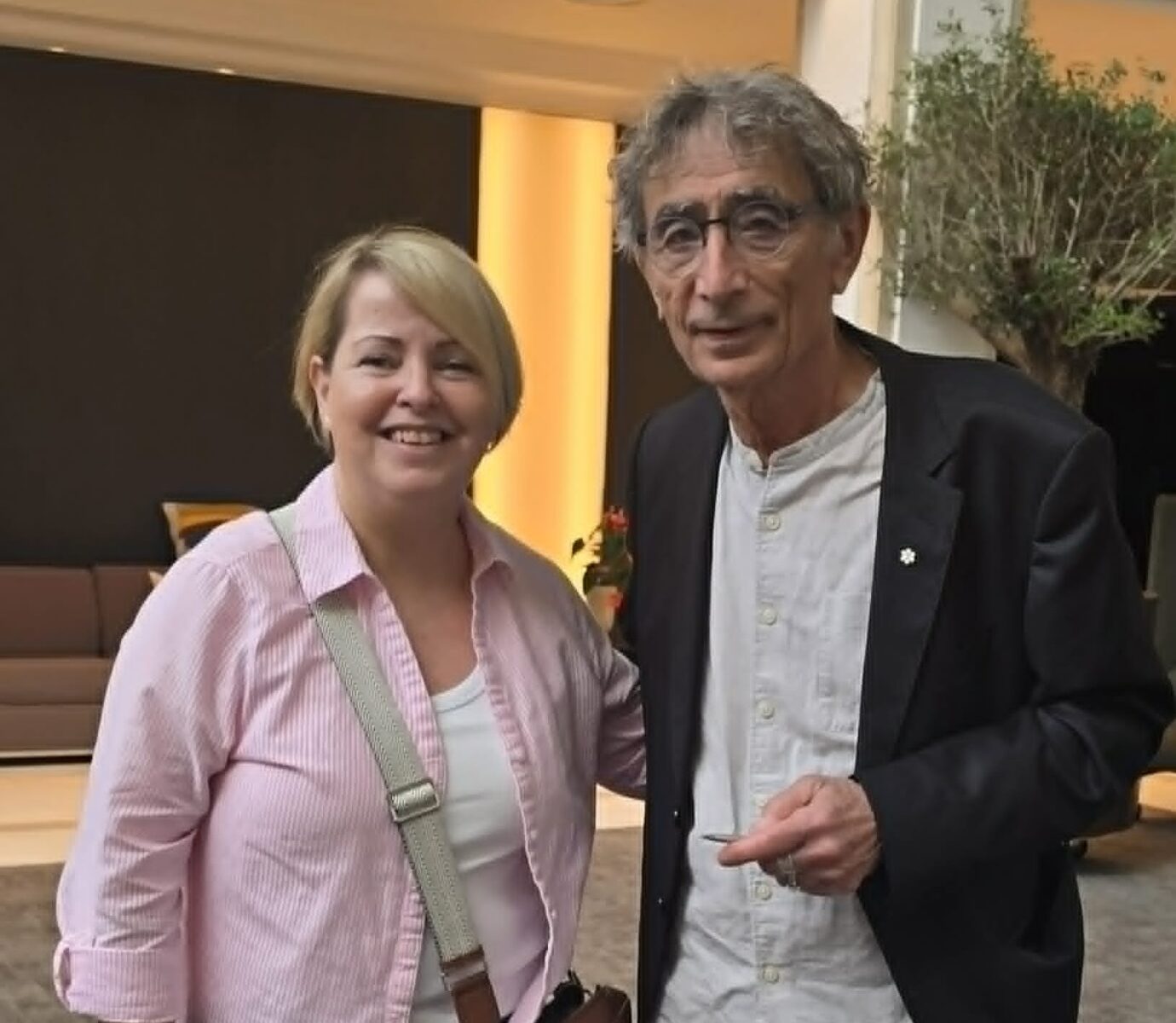
330 hours of professional training in Dr Gabor Maté’s Compassionate Inquiry approach, deepening the way I understand stress, emotions and our own experiences as parents.
Talks & professional education
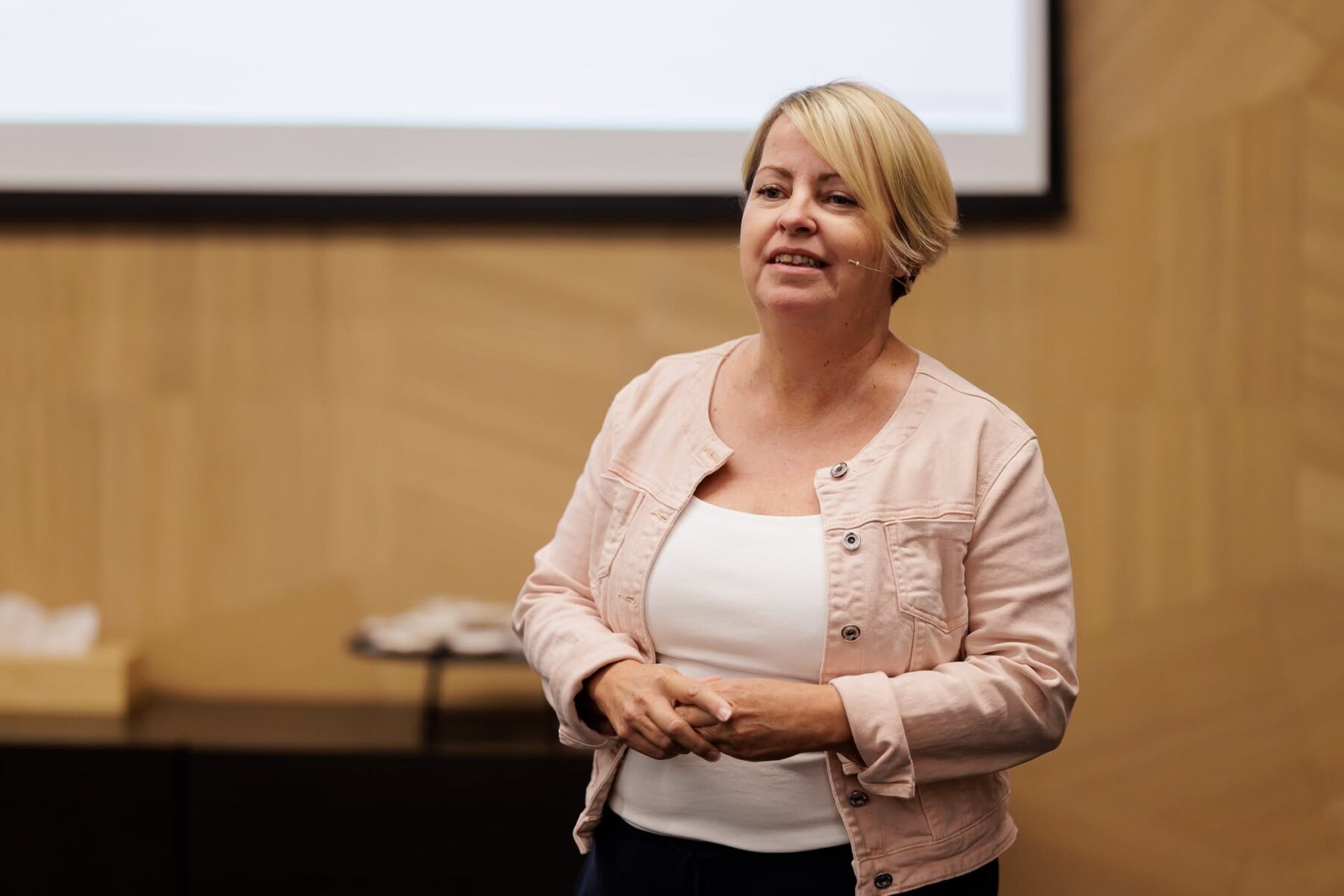
I love bringing the science of baby sleep out of research papers and into conversations that make sense in everyday family life. I have spoken to parents and professionals about infant sleep, breastfeeding and responsive parenting in Hungary and internationally.
One of those talks was at the La Leche League of Ireland Annual Conference in Wexford in 2023, where I spoke about Baby Sleep Development.
I am available for parent talks, workshops, conferences and professional education. Invite me to speak: szandi@babysleep.now
What Families Say
“We made some changes based on your advice, and the waking every two hours has stopped. This morning he even managed to stay in bed until 6! I’m so grateful for your guidance. And most importantly, I feel that I’ve started to bond so much more deeply with my little boy.”
“I never thought I’d be writing back this soon, but I can hardly believe the difference. We’ve only been following the changes we discussed for two days, and my daughter adapted incredibly easily. We’ve now had two nights when she woke only twice. She’s much more settled during the day too, and getting her to sleep has become so much easier. I’m already incredibly grateful.”
“Truly high-quality information, grounded in science while remaining completely family-friendly. It’s wonderful to have access to such up-to-date guidance on baby sleep.”